Practical Guide to Chemical Safety Cabinet Maintenance
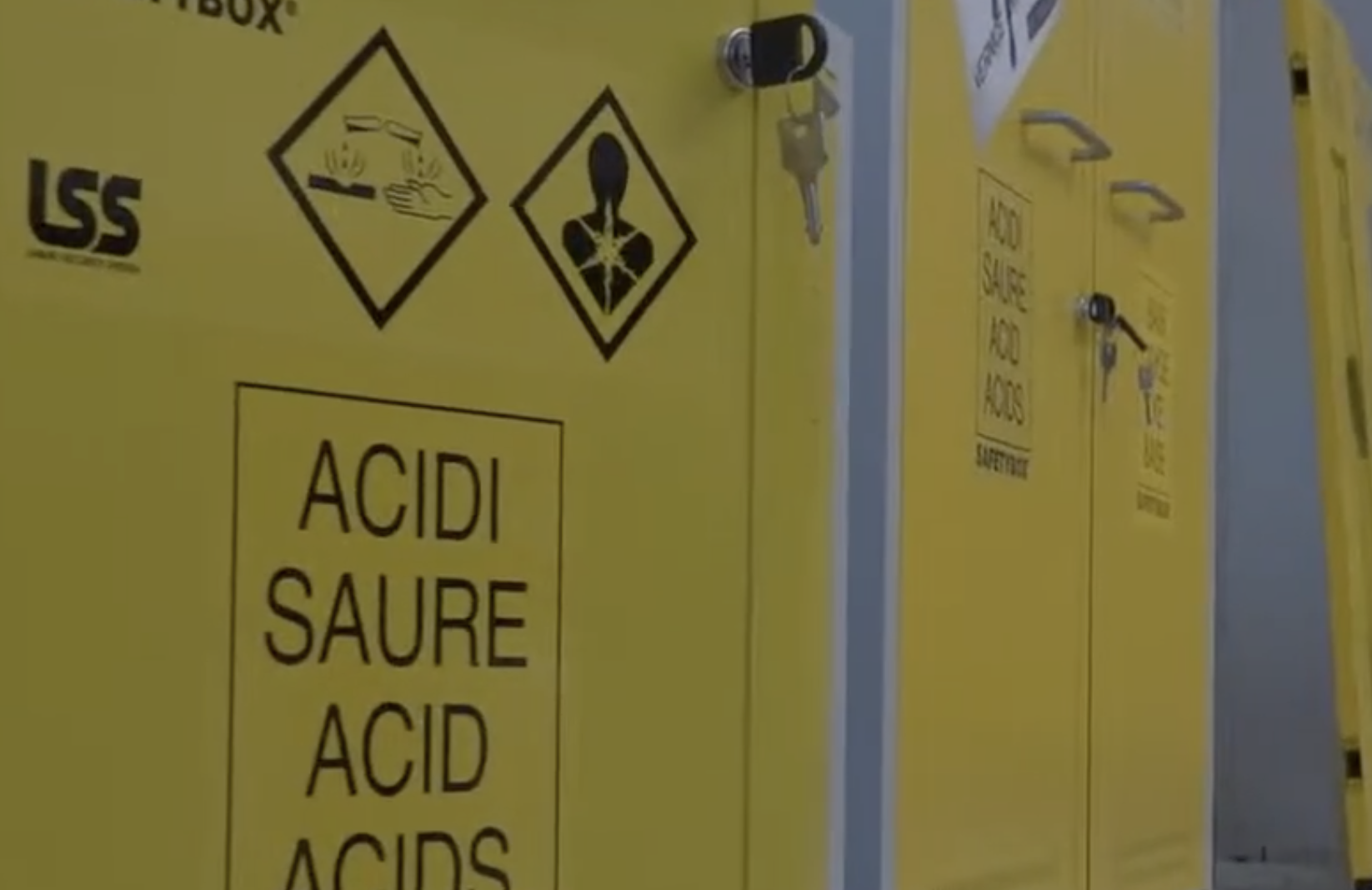
Preventive maintenance of chemical safety cabinets is not merely a regulatory obligation: it is a critical factor in ensuring workplace safety wherever hazardous substances are handled. Properly maintained cabinets significantly reduce the risk of leaks, fire, and contamination.
One of the most common mistakes is neglecting component wear such as seals, hinges, or ventilation systems. Even minor degradation can compromise cabinet performance.
Essential maintenance steps:
- Visual inspection for structural damage or corrosion
- Power cable integrity check
- Spill sump inspection and cleaning
- Electrical safety and leakage current testing
- Door systems inspection (hinges, locks, self-closing mechanisms)
- Cleaning with non-corrosive agents
- Verification of ventilation performance
- Maintenance record updates
For Safetybox and Kemfire ranges, special attention must be paid to motorised extraction units, activated carbon filters (when installed), certified ventilation valves, and intumescent seals.
Any extraordinary maintenance or system upgrades must be carried out by authorised and qualified personnel to preserve cabinet certification.
Maintenance is a core safety measure that supports regulatory compliance and reduces operational risk.